Cookies vs. Biscuits: The Real Difference (Texture, Ingredients & Baking)

At BiskyFly we get this question at the counter almost every day. Most people use "cookie" and "biscuit" interchangeably — but in a bakery kitchen they are two completely different builds, from the ratio of fat to the way they cool. Here is how we think about it.
1. Fat and sugar ratio
A cookie carries more fat and more sugar relative to flour. That extra sugar melts and spreads, giving you soft centres, chewy edges and deep caramel notes.
A biscuit runs leaner — less fat, less sugar, more flour — so it holds its shape and bakes dry and crisp.
2. Moisture and texture

Cookies are baked to keep moisture inside; that is why a good cookie bends before it breaks.
Biscuits are baked longer at a lower temperature to drive moisture out, which is what gives that clean snap and long shelf life. It also makes biscuits the better travel companion in an Indian summer.
If it bends, it's a cookie. If it snaps, it's a biscuit.
3. Mixing method
- Cookie dough is creamed — butter and sugar whipped together to trap air, then flour folded in gently.
- Biscuit dough is rubbed or short-mixed — gluten stays low, so the crumb is sandy rather than chewy.
4. Shaping

Cookies are scooped or dropped and allowed to spread. Biscuits are rolled, sheeted and cut — often docked with tiny holes so steam escapes and the surface stays flat.
5. Baking and cooling
Cookies come out slightly underbaked at the centre and set as they cool. Biscuits are baked all the way through and then cooled completely before storing — any trapped warmth turns into softness, which is the enemy of a crisp biscuit.
Which one should you order?
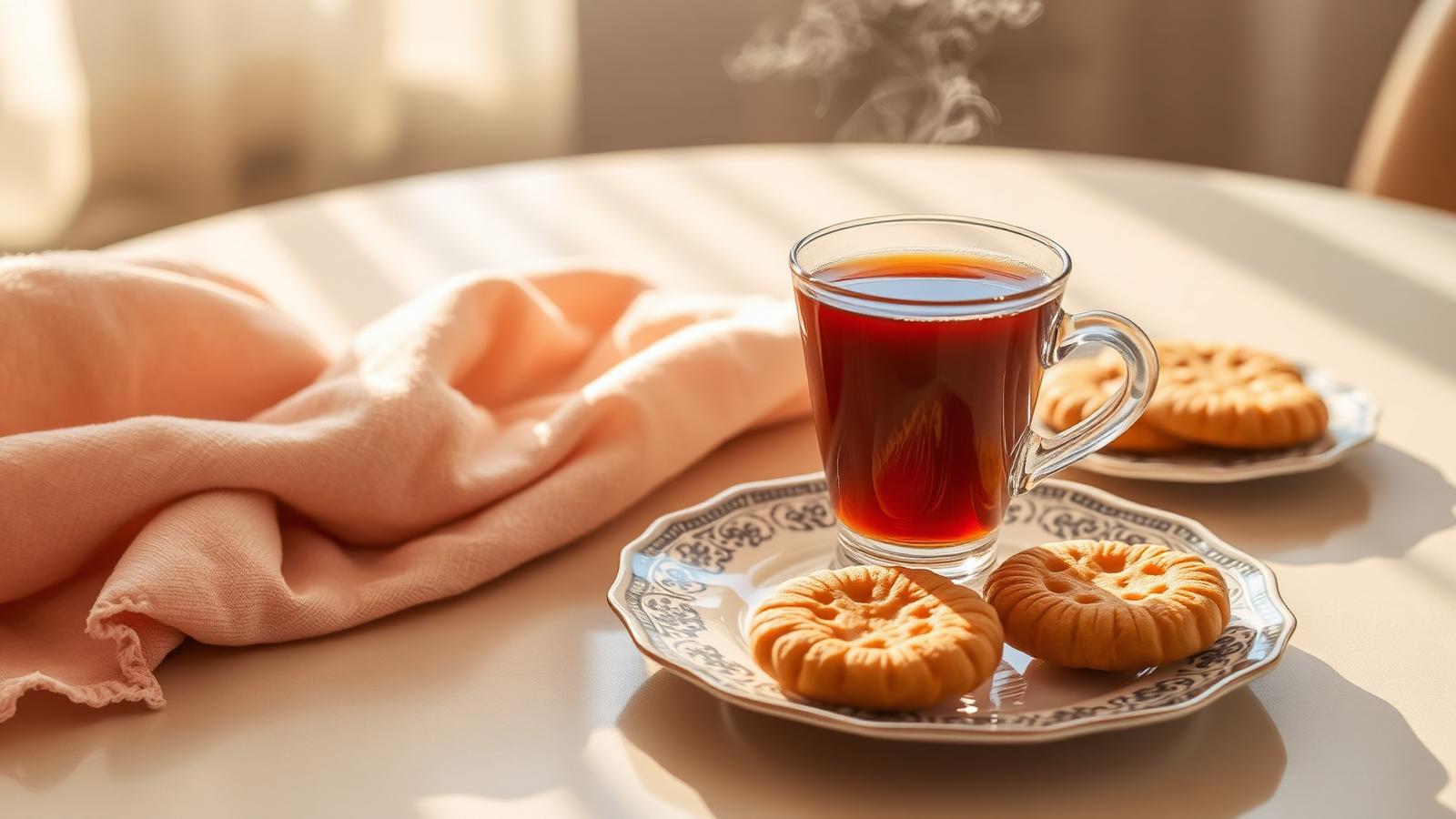
Choose cookies when you want dessert: chocolate chunk, ragi jaggery, coffee walnut.
Choose biscuits when you want an everyday chai companion: butter, ajwain, nankhatai, coconut.
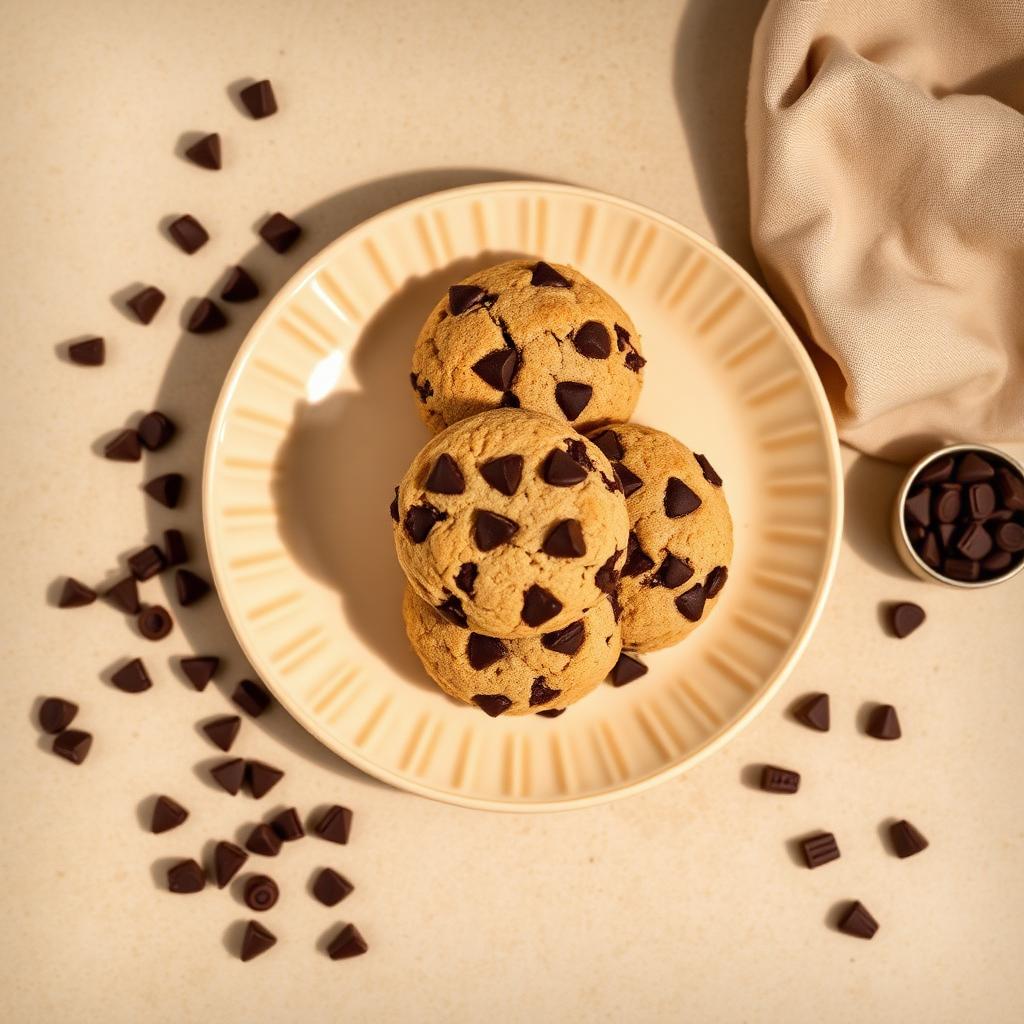 Choco Chip BiscuitsDark chocolate chunks folded into a crisp, golden-baked biscuit.₹99View →
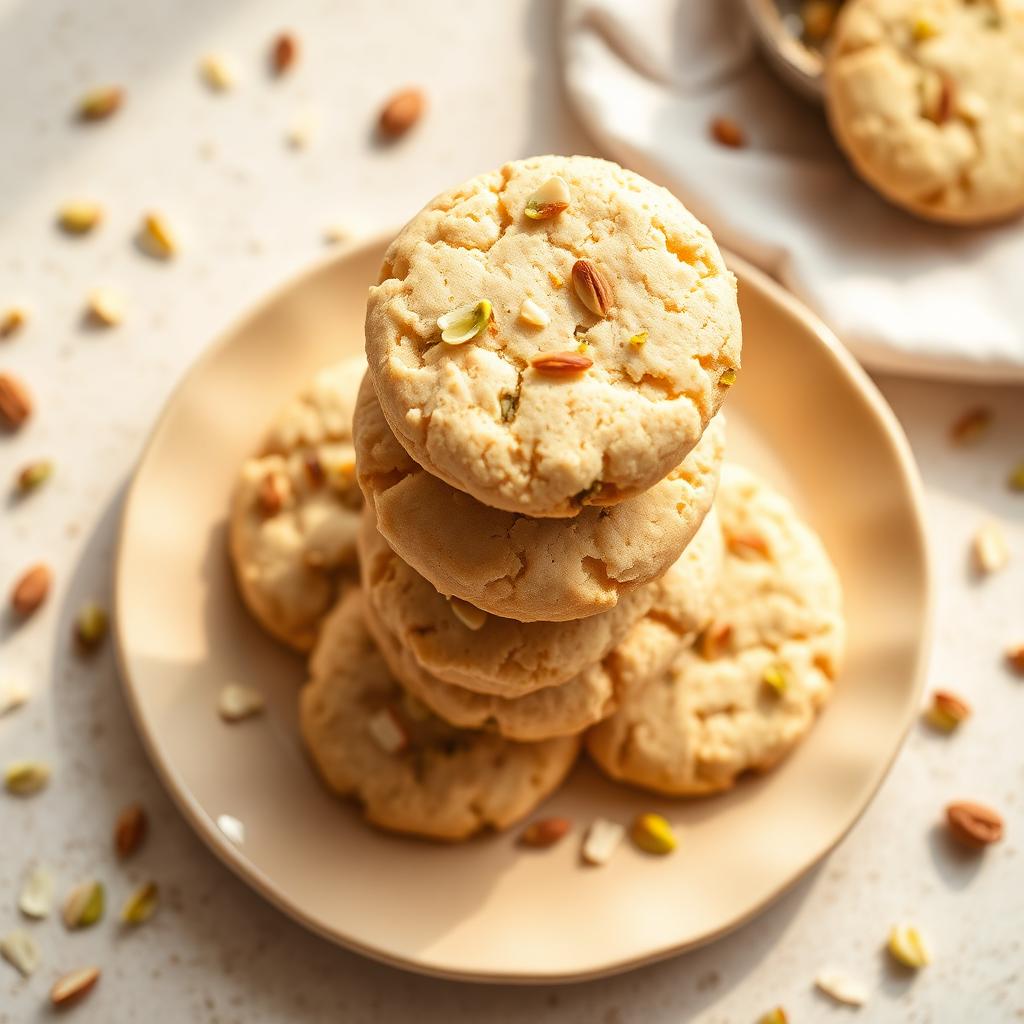 Pista Almond CookiesButtery shortbread loaded with roasted pistachio and almond slivers.₹99View →
At BiskyFly we bake both in small batches — no palm oil, no artificial preservatives. Browse our bakes or see the dry fruit range, and order straight on WhatsApp with same-day dispatch on most items.
